
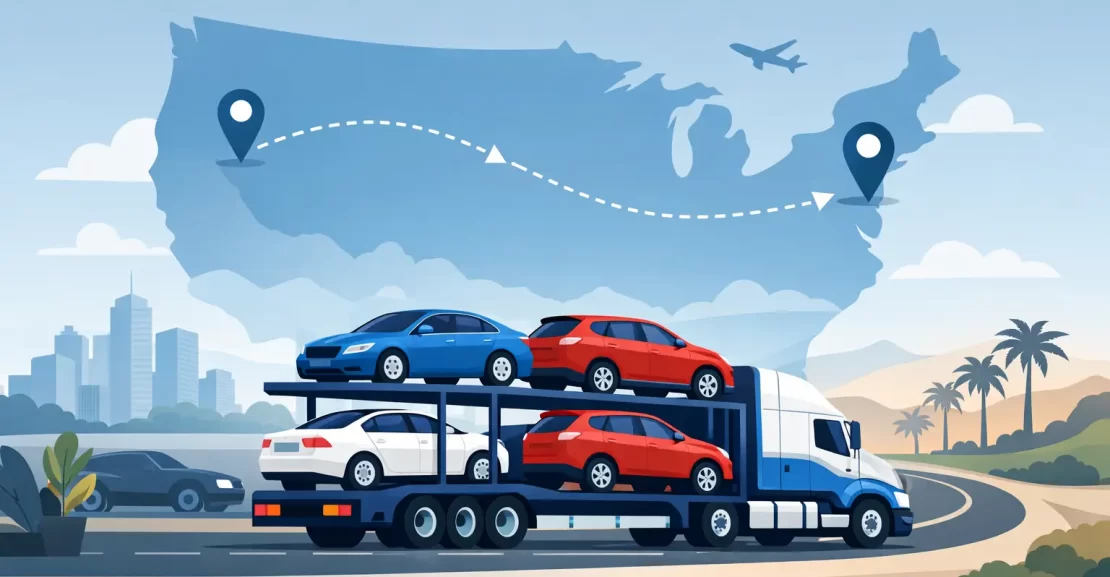
Buying the right car should not come down to whether it happens to be parked in your state. Interstate delivery for purchased cars gives buyers access to a far better range of JDM imports, classic Japanese performance cars, European sports cars, vans, hybrids and SUVs – without making a rushed trip just to secure a vehicle.
For the buyer, the key is knowing what happens between saying yes to the car and receiving it at home. Transport is only one part of the process. Condition, paperwork, roadworthiness, insurance, handover arrangements and realistic timing all matter just as much.
Why interstate buying makes sense
Specialist vehicles are rarely evenly distributed around Australia. The right Skyline, Supra, RX-7, Honda, Toyota or European import may be hundreds or thousands of kilometres away. Limiting the search to your local area can mean settling for the wrong specification, questionable history or a car that needs more work than advertised.
Buying from an established specialist also gives you access to knowledge that goes beyond a standard used-car sale. With older imports in particular, the difference is in the details: compliance status, service condition, signs of prior modifications, parts availability and whether the car has been prepared properly for Australian roads.
That does not mean every interstate purchase is automatically the right deal. Delivery costs need to be weighed against the vehicle’s condition, rarity and price. A cheaper car can become expensive quickly if it needs tyres, brakes, mechanical repairs or compliance work as soon as it arrives. The better question is not simply, “What is the cheapest car?” It is, “What is the best prepared example I can buy within my total budget?”
Interstate delivery for purchased cars: the process
A well-managed delivery starts before transport is booked. The vehicle should be clearly identified, its sale paperwork completed, and any agreed preparation finished before it leaves the dealership.
Confirm the vehicle and its condition
If you cannot inspect the car in person, ask practical questions before committing. Request clear images and video that show the exterior, interior, tyres, engine bay, underbody where appropriate, and any known marks or wear. For enthusiast cars, it is sensible to ask about modifications, service history, previous repair work, spare keys and included accessories.
A roadworthy and serviced vehicle provides a stronger starting point than one sold as-is, particularly when you are arranging transport across state lines. It reduces the chance of receiving a car that immediately needs attention, although normal wear on a used vehicle should still be expected.
An independent pre-purchase inspection can also be worthwhile for higher-value vehicles or cars with an unclear history. It adds cost, but it can provide useful reassurance when the vehicle is not around the corner. Whether it is necessary depends on the car, the seller’s preparation standards and your confidence in the information supplied.
Finalise payment, finance and paperwork
Before the car is released for transport, make sure the sales documents are complete and that you understand the registration position in your home state. Registration transfer requirements vary, and interstate buyers may need to arrange inspections, duty or new registration once the car arrives.
If finance is involved, allow time for approval and settlement. Do not assume a transport booking can proceed on the same day you apply. Your lender may have requirements around invoices, insurance or the vehicle’s details before funds are released.
Keep copies of the invoice, contract of sale, registration documents, service records and any compliance paperwork together. These documents will be useful at handover and may be needed when registering the car locally.
Choose the right transport method
Most interstate vehicle deliveries are handled by a professional carrier, either on an open car transporter or in enclosed transport. Open transport is commonly more affordable and suits many daily drivers. The vehicle is exposed to normal road conditions, however, so it may arrive dusty after a long trip.
Enclosed transport offers greater protection from weather, road grime and public view. It is often the preferred option for collectible, low-clearance or high-value vehicles, but it generally costs more and can have fewer available booking windows.
The right choice depends on the vehicle and the route. A practical SUV or family van may be perfectly suited to open transport. For a freshly restored 1990s classic, rare JDM coupe or prestige sports car, the additional cost of enclosed delivery can be easier to justify.
Set expectations for timing
Transport schedules are based on carrier routes, available space, collection points and destination access. A major metro-to-metro run can be relatively straightforward, while a regional address or a remote route may take longer. Vehicle carriers also work around weather, road closures and loading schedules.
Ask for an estimated collection and delivery window rather than expecting a fixed appointment from the outset. The carrier will usually contact you as the delivery date gets closer. If you need the car by a particular date, raise that requirement before booking transport, not after the vehicle has been collected.
Insurance and responsibility during transport
This is one area where assumptions can cause trouble. Ask exactly what insurance cover applies while the car is being transported and whether there are exclusions, excesses or limits. Carrier cover may not be the same as comprehensive motor insurance, particularly for high-value vehicles or modified cars.
Arrange your own comprehensive insurance to begin when you take ownership, if required by your insurer. Let them know the vehicle is being professionally transported rather than driven interstate. Giving accurate information helps avoid uncertainty if damage or loss needs to be addressed.
It is also sensible to confirm when responsibility transfers from the seller to you. This should be clear in the sale agreement. A professional dealership can explain the handover process, but buyers should still read the paperwork and ask questions before paying the balance.
Prepare for delivery day
A little preparation makes the final handover straightforward. Make sure the delivery address is suitable for a large transporter. Narrow streets, low branches, tight turning circles and restricted access may mean the carrier needs to meet you at a nearby safe location.
Have photo identification ready and inspect the car before signing any delivery paperwork. Compare the vehicle against the pre-transport photos and note its condition. Check the panels, wheels, glass, bumpers and interior, then confirm that supplied keys, books, service records and accessories are present.
If you notice fresh transport damage, record it immediately with photos and make a written note on the carrier’s paperwork before the driver leaves. Waiting until the next day makes it harder to establish what occurred during transit. Minor dust from an open transporter is normal; scratches, dents or broken items are not something to ignore.
Once the car is in your possession, check fluids, tyre pressures and warning lights before your first longer drive. Even a fully serviced vehicle can benefit from a quick familiarisation check after being tied down and transported. If it is an older import, take the time to understand its controls, fuel requirements and any aftermarket equipment fitted to it.
Avoid the common interstate buying mistakes
The most expensive mistake is treating delivery as an afterthought. Buyers sometimes agree on a vehicle price, then discover transport, state registration and insurance costs they had not included in the budget. Get an all-in figure early, including any preparation, delivery and on-road costs that apply to your situation.
Another mistake is relying on a handful of flattering photos. Ask direct questions about condition and request information that matters to the model. A clean exterior does not answer whether the timing belt has been replaced, whether the air conditioning works, or whether a modified engine has been tuned and maintained correctly.
Finally, do not rush the handover because the car has travelled a long way. The delivery driver may be on a schedule, but you still need enough time to inspect the vehicle and complete the paperwork properly.
For buyers looking beyond their local market, interstate delivery is a practical way to secure the right car without compromising on provenance or condition. Sinergy Motorsports can help make that process clear from vehicle preparation through to delivery, so you can focus on the first drive rather than chasing avoidable loose ends.