
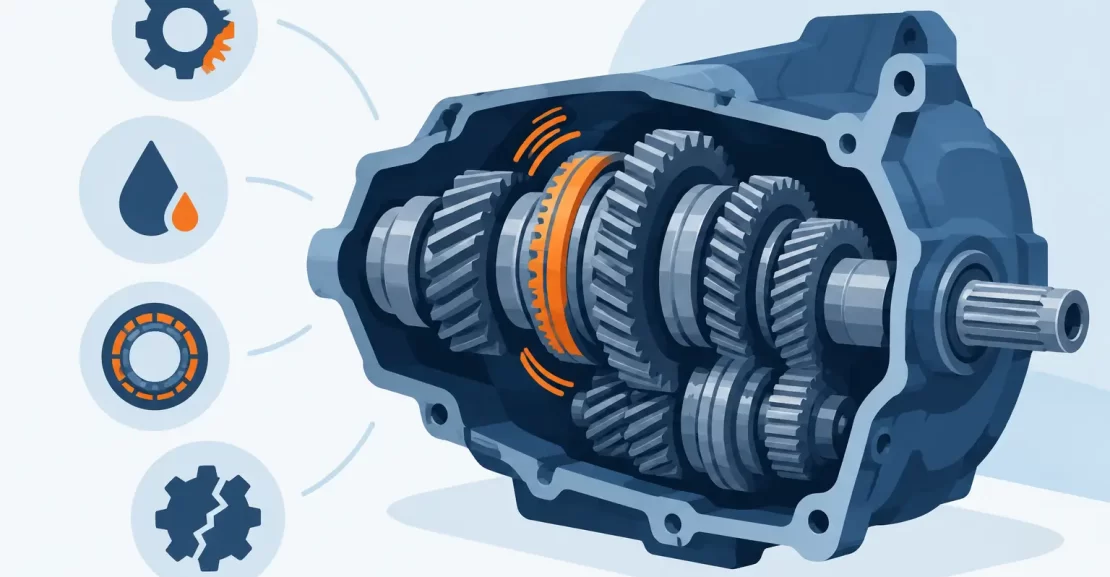
A gearbox that flares between shifts, hesitates before selecting drive or feels like it has briefly dropped into neutral is not just frustrating – it can turn a manageable repair into a major rebuild. Understanding what causes gearbox slipping helps you act before excessive heat, clutch damage or internal wear puts your vehicle off the road.
On a turbocharged JDM classic, a European performance car or a daily-driven SUV, the symptoms can feel similar. The cause is not always the same. Gearbox type, service history, driving conditions and previous modifications all matter, which is why a proper diagnosis beats guessing or simply topping up fluid.
What does gearbox slipping feel like?
Gearbox slipping occurs when engine speed rises but the vehicle does not accelerate as expected, or when the transmission cannot hold the selected gear consistently. In an automatic, you may notice revs climbing during an upshift before the next gear engages. In a manual, the engine may race under hard acceleration while road speed barely increases.
Other common warning signs include delayed engagement when moving from park into drive or reverse, harsh or erratic shifts, shuddering, a burning smell, transmission warning lights and fluid leaks. Some vehicles enter a reduced-power or limp-home mode to protect the transmission once a fault is detected.
A single awkward shift on a cold morning does not automatically mean the gearbox is failing. Repeated slipping, worsening behaviour once warm, or a noticeable change under load needs attention promptly.
Low, degraded or incorrect transmission fluid
For conventional automatics, transmission fluid does far more than lubricate gears. It operates hydraulic circuits, controls clutch packs and carries heat away from internal components. When fluid is low, the transmission may not build the pressure needed to apply clutches firmly. The result can be delayed engagement, flare shifts and slipping.
Low fluid usually points to a leak. Common sources include pan gaskets, cooler lines, axle seals, electrical connector seals and the transmission case itself. A gearbox does not normally consume fluid in the way an engine can use oil, so a low level should be investigated rather than repeatedly topped up.
Fluid also degrades with age and heat. It can lose its friction characteristics, become contaminated by clutch material or discolour after overheating. Old fluid is especially relevant to older Japanese imports where service records may be incomplete, or where the car has spent years in stop-start traffic, on track, towing or making more power than standard.
Using the wrong fluid can cause problems too. Many transmissions require a specific formulation, particularly CVTs, dual-clutch units and later electronically controlled automatics. A universal fluid may claim compatibility, but the correct specification and fill procedure are what matter. Overfilling can aerate the fluid and create shifting issues as well.
Worn clutch packs, bands and torque converter faults
Inside an automatic gearbox are clutch packs that lock different gear sets together. They wear over time, and heat accelerates the process. Once the friction material is worn or burnt, the clutch cannot hold properly under load. You may first notice it during firm acceleration, an overtaking manoeuvre or climbing a steep hill.
Some older automatic transmissions also use bands that require correct adjustment. A worn or incorrectly adjusted band can lead to slipping in particular gears. These designs are less common in newer vehicles, but they still appear in many older classics and work vehicles.
The torque converter can also be responsible. It transfers engine power into the automatic transmission and often contains a lock-up clutch for efficient cruising. A failing lock-up clutch may cause shuddering or fluctuating revs at steady speed. Internal converter faults can contaminate the fluid and affect the rest of the gearbox, so they should not be ignored.
At this point, a fluid service alone may not solve the issue. Fresh fluid can help if deterioration is caught early, but it cannot restore worn friction material. The right repair could range from a valve body repair to a converter replacement or full transmission overhaul, depending on the findings.
Valve body, solenoid and hydraulic pressure issues
Modern automatics rely on a valve body to direct pressurised fluid through the gearbox. Electronic solenoids control many of these fluid paths. If a solenoid sticks, a valve bore wears or debris restricts a passage, the transmission may select a gear late, shift harshly or slip while changing ratios.
This is one reason fault codes are useful but not definitive. A code may identify an electrical circuit or an incorrect gear ratio, but it does not always reveal whether the root cause is wiring, a solenoid, low pressure or internal clutch wear. A workshop needs to combine scan data with fluid condition checks, road testing and, where required, pressure testing.
Heat can make hydraulic faults more obvious. A vehicle may feel acceptable when cold but begin flaring or refusing shifts after 20 minutes of driving, when fluid has thinned and pressure control is more demanding.
CVT slipping is often a different problem
A CVT does not shift through conventional fixed gears in the same way as a traditional automatic. Most use a belt or chain running between variable pulleys. Drivers often describe a CVT as slipping when the engine revs rise and vehicle speed lags, but some rev flare is also part of normal CVT operation as it holds the engine at an efficient or powerful rpm.
What is not normal is juddering on take-off, a strong whine, warning lights, delayed response or a sudden loss of drive. Causes can include incorrect or degraded CVT fluid, valve body faults, pulley damage, belt or chain wear, or overheating. CVTs are particularly sensitive to fluid type and service procedure. Treating one like a standard automatic can create expensive problems.
Manual gearbox slipping usually means the clutch
In a manual vehicle, the gearbox itself rarely slips in the way an automatic does. The usual culprit is the clutch assembly between the engine and gearbox. A worn clutch disc, weak pressure plate, contaminated friction surface or failing release mechanism can stop engine torque reaching the transmission effectively.
A simple pattern is high revs under acceleration in a taller gear, especially on a hill, without matching forward progress. A high clutch bite point, burning smell after hard use and difficulty carrying load are further clues.
Oil contamination from a rear main seal or gearbox input seal can ruin a new clutch quickly if the leak is not repaired at the same time. For modified cars, clutch choice matters as well. An aggressive clutch may handle more torque but can compromise smooth take-off and everyday drivability. Matching the assembly to the vehicle’s actual use is better than fitting the harshest option available.
Why modified and older imports need careful diagnosis
A higher-boost Skyline, Supra or turbo Honda can expose weaknesses that were not apparent at factory power levels. Extra torque, repeated launches, track use and heat all place greater demands on an automatic transmission, torque converter and clutch. That does not mean every modified car needs a built gearbox, but it does mean the transmission setup should suit the power, intended use and cooling capacity.
Older imports can present a different challenge: unknown servicing, aged seals, previous repairs or parts that are difficult to identify. Transmission behaviour may also be affected by engine issues such as a failing airflow sensor, throttle position sensor or misfire. If engine torque data is wrong, an electronically controlled gearbox may shift poorly even when its internal components are sound.
A thorough inspection should therefore look beyond the transmission. Checking engine fault codes, battery voltage, wiring, mounts, driveline condition and cooling performance can prevent an unnecessary gearbox repair.
Can you keep driving with a slipping gearbox?
It depends on the symptom, but continuing to drive is rarely a good bet. Slipping creates heat, and heat damages fluid, seals and friction material. What starts as a solenoid or fluid-level issue can quickly become internal transmission damage if the clutch packs repeatedly fail to engage properly.
If the vehicle has a major delay selecting drive, loses drive while moving, smells burnt, leaks heavily or displays a transmission warning light, avoid driving it other than getting it safely assessed. Do not tow a trailer, make hard pulls or continue testing the problem with full-throttle runs.
The most useful next step is to record when it occurs: cold or hot, under acceleration or cruising, in one gear or all gears, and whether any warning lights appear. That information gives a specialist a stronger starting point than “it feels a bit funny”. For Adelaide owners of Japanese classics, performance imports and European vehicles, Sinergy Motorsports can assess the fault properly and help keep your car performing at its best before a minor shift issue becomes a major repair.