
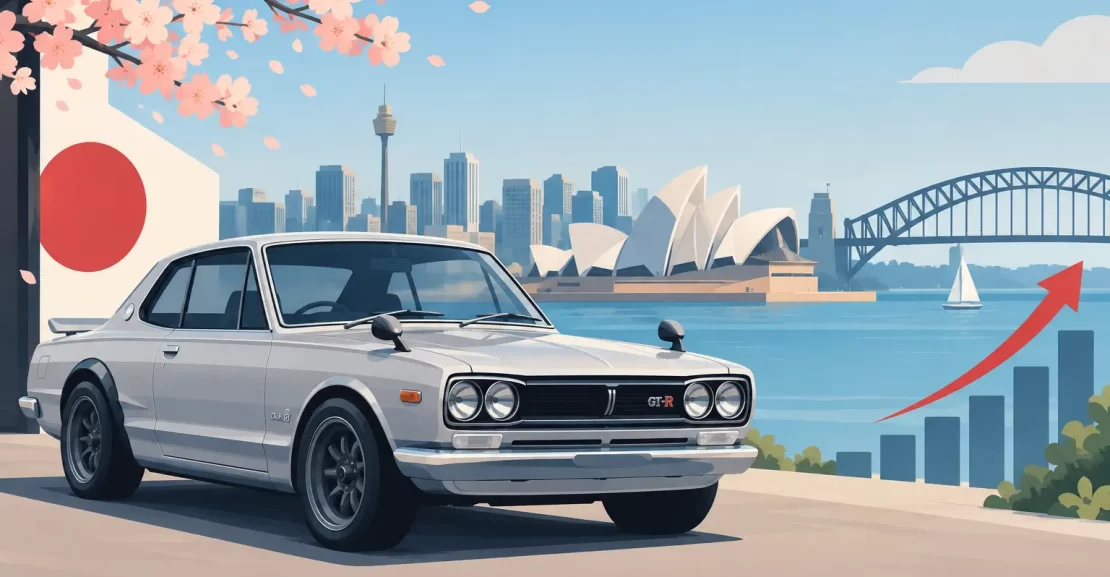
The days of buying a clean Japanese performance car simply because it was cheap are well behind us. Japanese classic market trends now reward buyers who understand originality, condition, documentation and long-term parts support – not just a popular badge on the boot. For Australian enthusiasts, the market remains full of opportunity, but the gap between a smart purchase and an expensive project has widened.
A 1990s or 2000s Japanese classic can still be one of the most enjoyable cars to own. Whether it is a Skyline, Supra, RX-7, Civic Type R, Evo, WRX, Silvia or an overlooked Toyota coupe, these cars offer character that many newer vehicles cannot replicate. The key is knowing where value is moving and what it takes to keep an older import performing at its best.
Japanese Classic Market Trends: Quality Is Leading
The strongest trend is clear: buyers are paying a premium for genuinely good cars. Clean, largely original examples with credible history continue to attract serious interest, while tired or heavily modified vehicles often require more careful pricing.
This does not mean every modified car is undesirable. Period-correct wheels, quality suspension, reputable exhaust systems and documented engine work can suit the right buyer. The difference is workmanship. A well-built car with receipts, sensible parts and professional tuning is a very different proposition from a vehicle with cut wiring, unknown boost levels and a long list of unfinished jobs.
Originality matters most where a model has collector appeal. Unmodified interiors, factory panels, standard trim, original handbooks and service records all help establish provenance. For models such as R32 to R34 Skylines, Supras, FD RX-7s and Integra Type Rs, these details can make a substantial difference to future desirability.
At the same time, a clean, roadworthy car should not be dismissed because it has useful upgrades. Australian roads, fuel and climate place different demands on a vehicle than Japan did. Better cooling, refreshed rubber hoses, quality brakes and modern tyres may make ownership safer and more enjoyable without taking away from the car’s character.
The Market Is Broadening Beyond the Obvious Heroes
The headline cars still command attention. Nissan GT-Rs, Toyota Supras, Mazda RX-7s and Honda Type Rs have strong global followings, limited supply and a long history in motorsport and tuning culture. Their values reflect that status.
However, rising prices have also pushed buyers towards models that offer the same era, engineering and driving feel at a more attainable entry point. Naturally aspirated Skylines, non-turbo Supras, Celicas, MR2s, Starlets, Pulsars, Galants, Chasers and lesser-known Hondas are receiving more consideration than they did several years ago.
This is not a guarantee that every older Japanese car will become collectable. Rarity alone is not enough. A car needs a reason for enthusiasts to care: distinctive styling, a respected drivetrain, a connection to a performance model, strong aftermarket support or simply an engaging drive. A rare variant with limited parts availability and little enthusiast support can be harder to own and harder to sell than a more common, well-supported model.
For buyers, this creates a sensible question: do you want the car with the strongest potential upside, or the one you can afford to buy, maintain and use properly? The best choice is often the car that fits both your budget and your intended ownership.
Condition Matters More Than the Odometer
Japanese auction sheets, export certificates and service documentation remain useful tools, but they are only part of the picture. A low odometer reading is appealing, yet age affects every car. Seals harden, bushes wear, fuel systems deteriorate and cooling components eventually need attention, even on vehicles that have spent much of their life parked.
A higher-kilometre car with regular servicing, a sorted cooling system, healthy compression and detailed invoices may be a better buy than a low-kilometre example that needs years of deferred maintenance caught up. This is particularly relevant for turbocharged engines and rotary-powered Mazdas, where correct maintenance and diagnosis matter far more than an attractive number on the dashboard.
Rust is another major dividing line. Australian buyers should inspect underneath the vehicle, suspension mounting points, chassis rails, wheel arches, sills, boot floors and around window seals. Cars imported from snow regions or coastal areas deserve additional scrutiny. Cosmetic paintwork can hide corrosion, while a clean underbody and straight factory seams often tell a more useful story.
Before committing, assess the vehicle as a whole. Look at panel gaps, tyre wear, cold-start behaviour, engine smoke, gearbox operation, clutch feel and warning lights. Check whether modifications have been engineered or properly installed where required. A pre-purchase inspection from a workshop familiar with Japanese imports is money well spent, especially when parts, compliance and model-specific faults are involved.
Compliance, Provenance and Roadworthiness Have Real Value
The Australian market is more informed than it once was. Buyers increasingly ask whether an import has been correctly complied, how it was registered, whether it has been written off, and what work has been completed since arrival. Those questions are not paperwork for paperwork’s sake. They affect insurability, resale confidence and the practical experience of ownership.
For Adelaide buyers, a vehicle supplied fully roadworthy and serviced removes a large part of the uncertainty that can come with an older import. It also provides a clearer starting point for future maintenance. A car may still need ongoing attention – it is a classic, after all – but the buyer is not immediately inheriting a list of basic safety issues.
Documentation is becoming an asset in its own right. Keep receipts for servicing, repairs, tyres, tuning, restoration and parts purchases. Photograph restoration work before panels are refinished. If a specialist has carried out engine, gearbox or differential work, retain the invoice and specification. When it comes time to sell, a folder of evidence is far more persuasive than a verbal claim that everything has been done.
Parts Support Is Shaping What People Buy
A classic car is only as enjoyable as it is maintainable. This is why parts availability is becoming a bigger factor in Japanese classic market trends. Some models have extensive OEM, reproduction and aftermarket support, while others are beginning to face genuine supply pressure for trim, weather seals, electronics and model-specific mechanical items.
Popular platforms such as Skylines, Silvias, Supras, Evos and many Hondas benefit from strong enthusiast networks and broad aftermarket choice. That can make them easier to repair, improve and keep on the road. But aftermarket availability is not always the same as quality. Cheap sensors, poor-fitting body parts and unknown suspension components can create more problems than they solve.
For a long-term owner, the practical approach is to use suitable OEM parts where reliability and fitment are critical, then choose proven aftermarket components for performance or replacement needs. It pays to think ahead as well. If a particular seal, trim piece or ignition component is becoming difficult to source, buying a quality spare when available can save trouble later.
Buy for Ownership, Not Just Speculation
Rapid price growth across certain Japanese classics has encouraged plenty of speculation. There is nothing wrong with considering resale value, but buying purely on the expectation of a quick gain can lead to poor decisions. Market values can pause, soften or move unevenly, particularly when interest rates, import supply and broader collector demand change.
The cars that tend to hold up best are those with genuine enthusiast appeal, clean condition and a clear story. Yet even a highly sought-after model can become costly if it has been neglected. Budget beyond the purchase price for insurance, registration, servicing, tyres, fluids, preventative repairs and unexpected work. A sensible reserve fund gives you the freedom to fix issues properly rather than delay them.
This is where specialist support makes a difference. Sinergy Motorsports has more than 20 years of experience with 1990s and 2000s Japanese classics, helping owners purchase, service, restore and source the parts their cars need. That experience is particularly valuable when a vehicle looks good at first glance but needs a trained eye underneath.
The market will keep changing, but the basics remain steady: buy the best-condition example you can afford, verify its history, inspect it properly and maintain it with quality parts. Choose a Japanese classic you genuinely want to drive, and it will deliver something more valuable than a number on a price guide – a car worth keeping right.